Life at Chittadhama
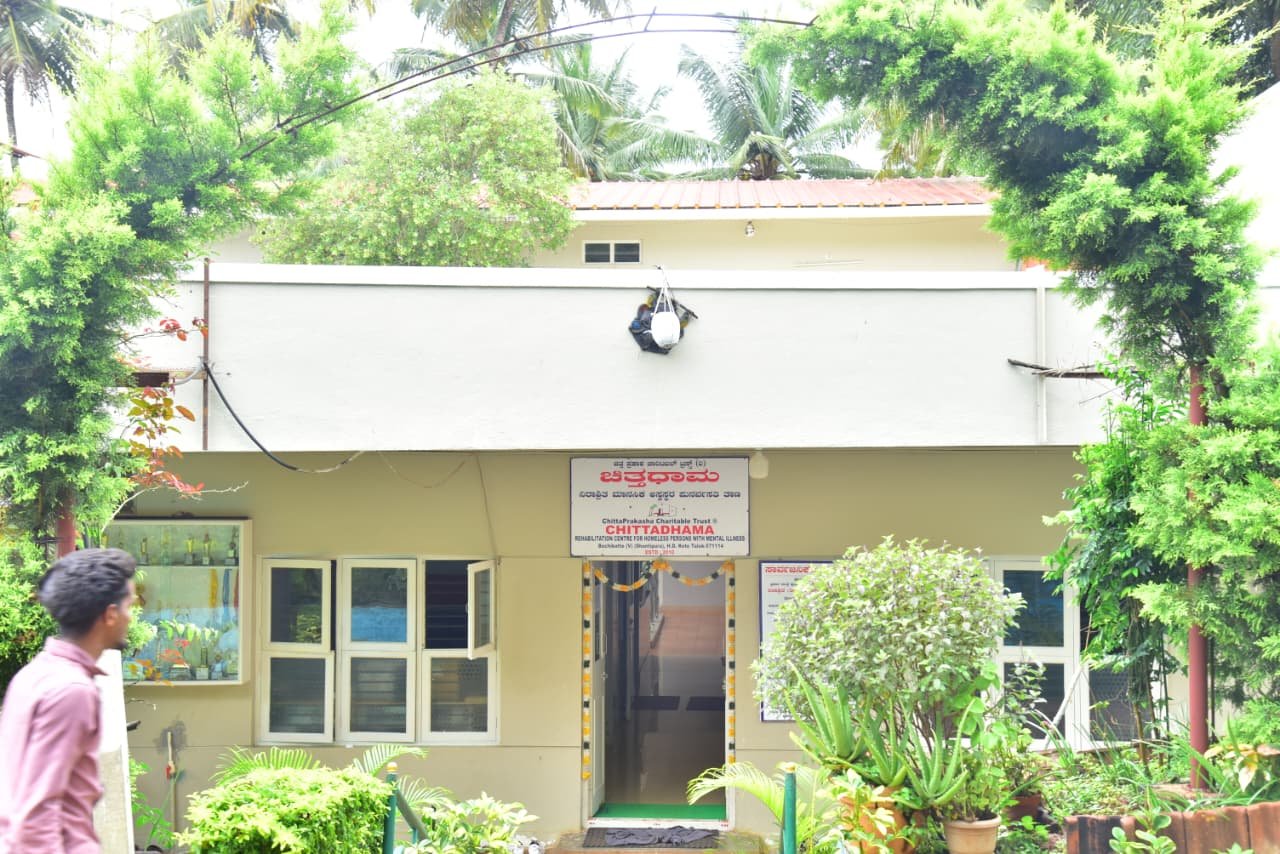
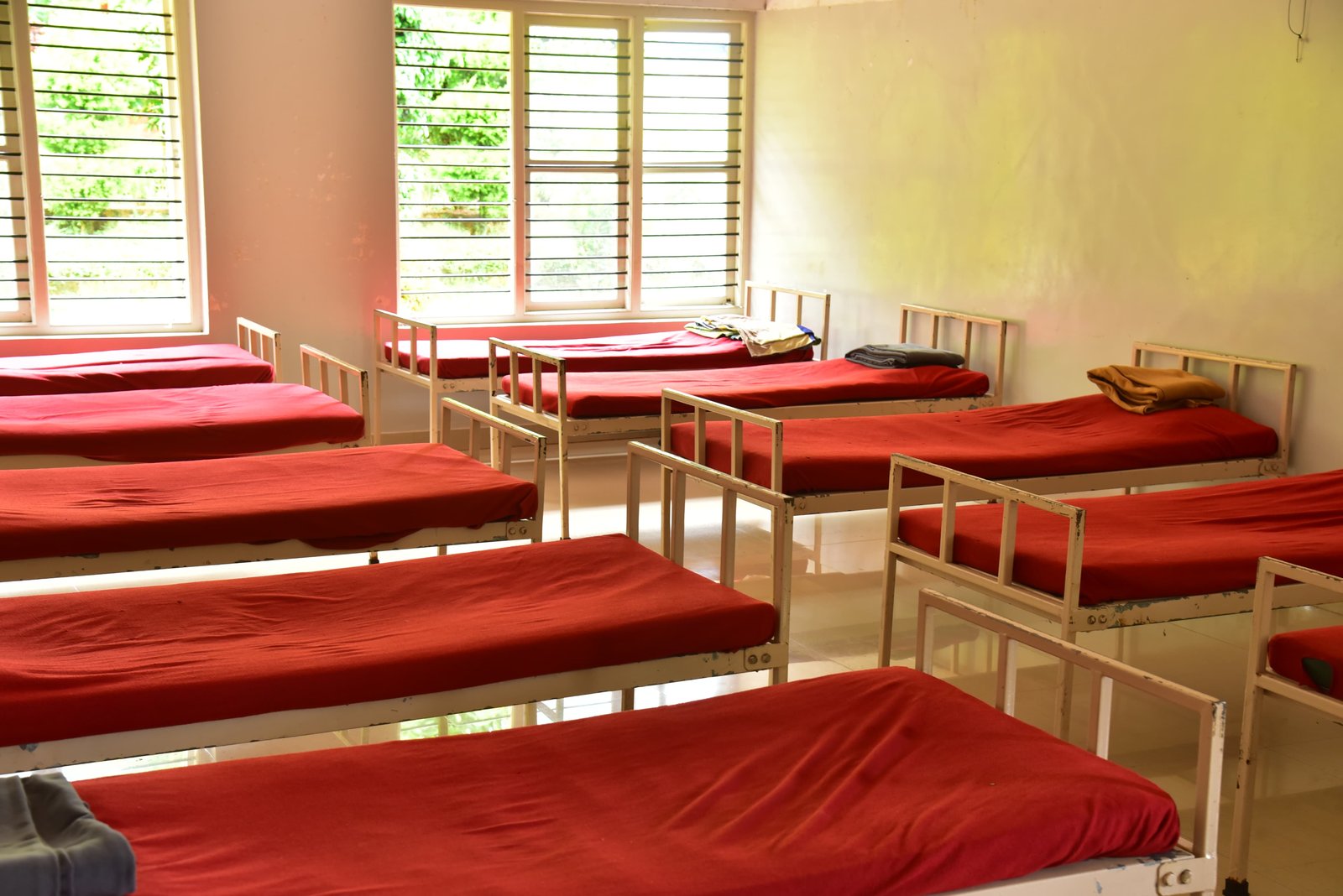
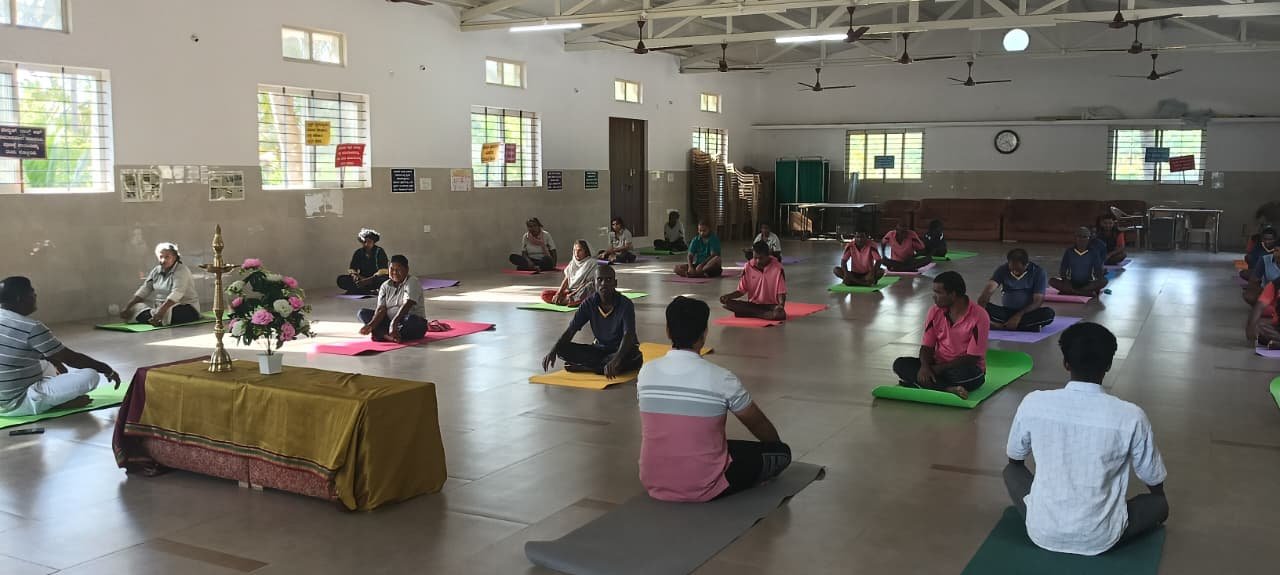
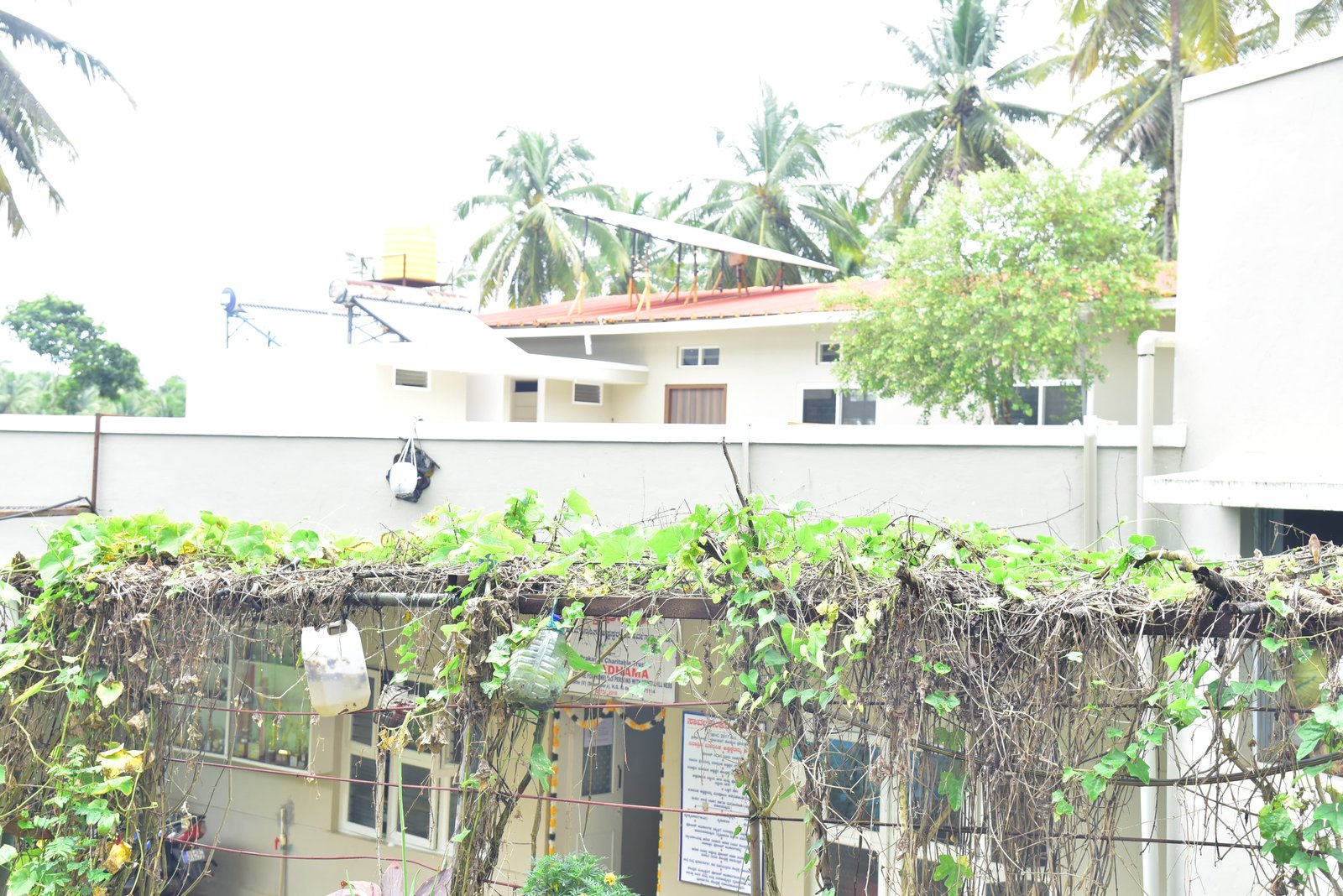
Residential and Rehabilitation Centre for Homeless Persons with Mental Illness
Shanthipura Village, H.D. Kote Taluk, Mysore District, Karnataka
“One of the greatest diseases is to be nobody to anybody.” Mother Teresa
Serious mental illness can disrupt a person's ability to manage the essentials of daily living, and to form and keep stable relationships. Under the strain of care, families may neglect or abandon their loved one; at other times, the person wanders away from home and cannot find the way back.
Homelessness compounds the illness. Without care, these individuals fall prey to physical disorders and, at times, exploitation by the community around them. It is estimated that there are 10,000 to 15,000 homeless persons with mental illness in Karnataka alone, and the state has no organised programme for their care.
The Chittaprakasha Charitable Trust (Regd.) was formed by psychiatrists, psychologists, social workers, carers and well-wishers dedicated to changing this, on 4.5 acres of farmland at Shantipura in Heggadadevanakote.
Figures as on 14 July 2026
Re-integration of homeless people with mental illness into the community, with personal dignity, and a society free from the stigma of such illnesses.
To serve persons with mental illness who are homeless, to regain their rights and responsibilities, and to develop models of delivery of good practice all over the country.
Chittadhama, the Residential and Rehabilitation Centre for Homeless Persons with Mental Illness, has been run by the Chittaprakasha Charitable Trust (R) at Shantipura village, H.D. Kote Taluk, Mysuru district since 2010.
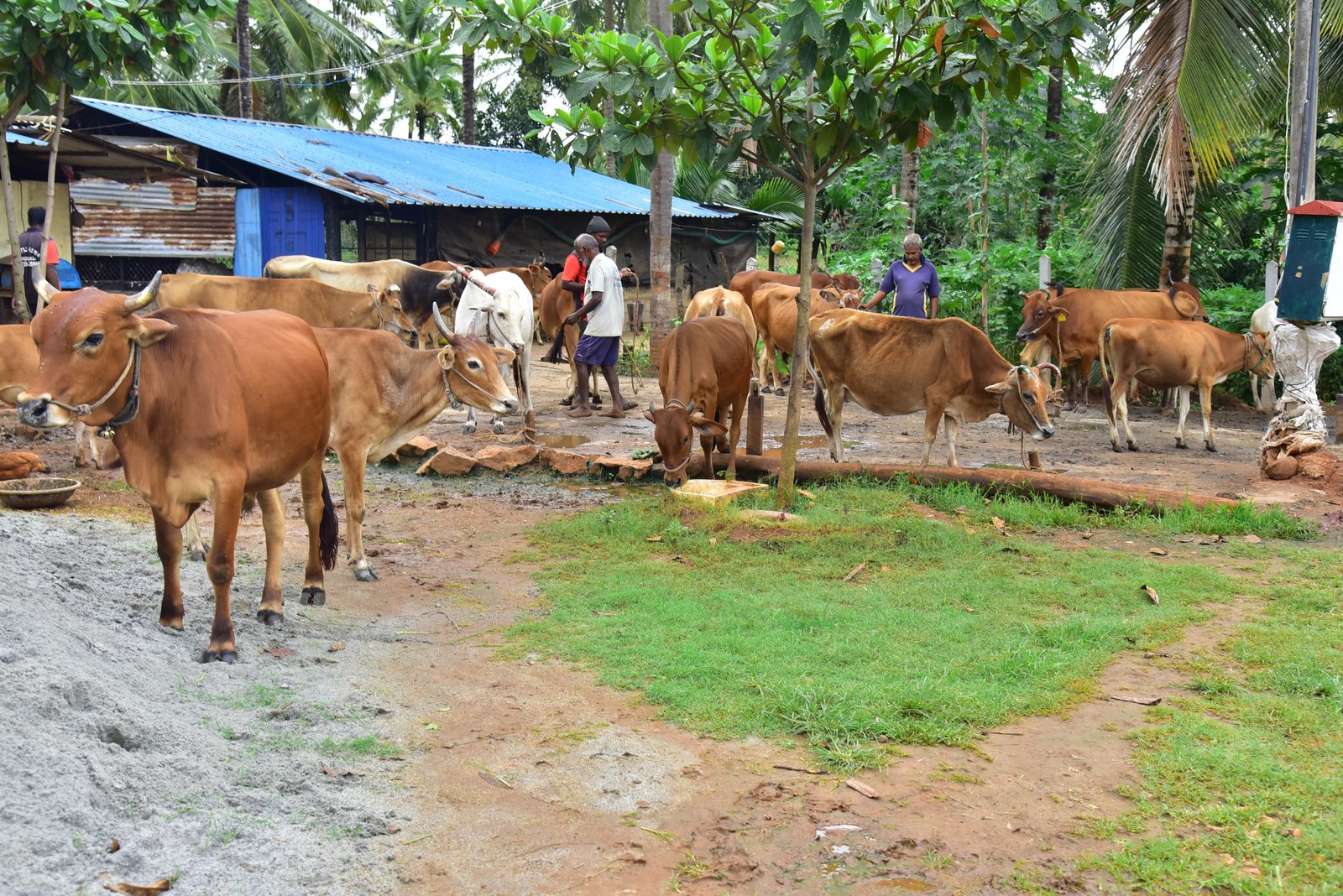
The rehabilitation is rural-based and oriented towards agriculture, horticulture, dairy farming, poultry and bee keeping — meaningful work in open air, on the land the residents live on.
Identification, treatment, rehabilitation and resettlement of homeless persons with mental illness.
Developing a centre of excellence in psycho-social rehabilitation, with cost-effective techniques.
Training programmes for carers and capacity building of health workers in mental healthcare.
Rural-oriented, locally relevant vocational activities that build real livelihood skills.
Local awareness and involvement, with robust research on the problem, caregiving, treatment and resettlement.
Working with national and international agencies, and advocating policy on mental health and homelessness.
Meet the trustees and advisors who guide this work, see life at the centre through our recent events, or read the journeys of residents who found their way home.
Our Team · Recent Events · Journeys Home
Support this work